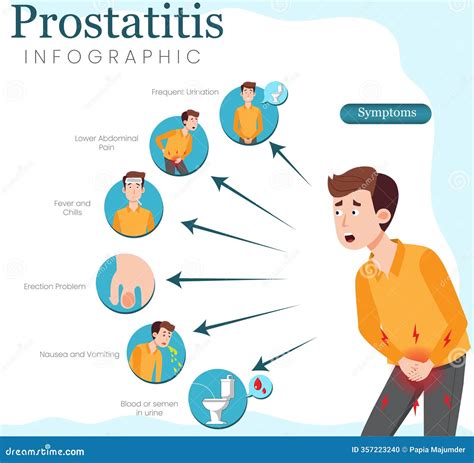
Prostate Symptoms
Picture this: It's the dead of night, and for the third time, you're stumbling to the bathroom, bladder nagging like an insistent alarm. By morning, the flow is a frustrating trickle, leaving you waiting longer than you'd like. If this routine sounds familiar, especially as the years add up, you might be grappling with prostate symptoms—subtle signals from a gland that's quietly working overtime. For men over 50, these aren't just inconveniences; they're often the first whispers of prostate issues intertwined with an aging bladder.
The prostate, a walnut-sized gland nestled below the bladder, plays a crucial role in reproductive health. But as we age, it can enlarge or inflame, squeezing the urethra and turning everyday urination into a battle. Understanding prostate symptoms isn't about fear-mongering—it's about empowerment, catching changes early to reclaim comfort and control.
The Prostate's Role and Why It Matters with Age
Tucked just in front of the rectum and surrounding the urethra, the prostate produces fluid that nourishes sperm. Smooth sailing in youth, but come middle age, hormonal shifts spark growth. By age 60, over half of men experience some enlargement—benign prostatic hyperplasia (BPH), the most common culprit behind prostate symptoms.
This isn't a solo act. An enlarging prostate presses on the bladder, mimicking or exacerbating aging bladder woes like reduced capacity and overactive signals. What starts as mild prostate symptoms can snowball into disrupted sleep, endless bathroom trips, and a dent in daily life.
Common Prostate Conditions and Their Telltale Signs
Benign Prostatic Hyperplasia (BPH): The Enlargement Epidemic
BPH isn't cancer, but its prostate symptoms dominate men's health conversations. The gland swells, narrowing the urinary pathway like a kinked garden hose.
- Weak or interrupted urine stream—starting and stopping unpredictably.
- Frequent urination, especially at night (nocturia), fragmenting restful sleep.
- Urgency that strikes without warning, demanding immediate relief.
- Dribbling after finishing, with that lingering drip.
- Sensation of incomplete emptying, bladder still half-full.
Prostatitis: When Inflammation Strikes
Acute or chronic inflammation brings sharper prostate symptoms. Bacterial or not, it feels like a persistent ache in the pelvic area, groin, or lower back, often paired with burning during urination or painful ejaculation.
Prostate Cancer: The Silent Intruder
Early stages are sneaky, with few prostate symptoms. Advanced cases echo BPH but add blood in urine or semen, unexplained weight loss, or bone pain. Regular screenings turn the tide here.
Prostate Symptoms and the Aging Bladder Connection
Aging bladder changes—thinner walls, weaker muscles—collide with prostate growth for a perfect storm. Nocturia plagues 80% of men over 60 with BPH, as the enlarged prostate irritates the bladder base, prompting false alarms. Hesitancy builds pressure, risking infections or stones. It's a cycle: prostate symptoms strain the bladder, and bladder feedback amplifies prostate discomfort.
Think of it as an aging orchestra out of sync—the prostate conductor swelling the ranks, the bladder musician struggling to keep pace. Early awareness breaks the loop.
Red Flags: When Prostate Symptoms Demand Attention
Not every trip to the bathroom spells trouble, but patterns do. Track if symptoms persist beyond a week, worsen, or include fever, chills, blood, or severe pain—these scream for a doctor's visit. A simple digital rectal exam or PSA test can pinpoint issues, from BPH meds to further probes.
Ignoring prostate symptoms doesn't make them vanish; it lets them rewrite your story.
Taking Control: Lifestyle Tweaks and Next Steps
While waiting for that appointment, ease prostate symptoms with practical moves: Limit evening fluids, avoid caffeine and alcohol, practice double voiding (urinate, wait, try again). Pelvic floor exercises strengthen support, blending seamlessly into your routine like deep breathing during a walk.
Prostate symptoms, especially tied to an aging bladder, remind us bodies evolve. But knowledge lights the path—listen to the signals, consult pros, and step forward with vitality intact. Your future nights could be uninterrupted, mornings energized. Why wait?