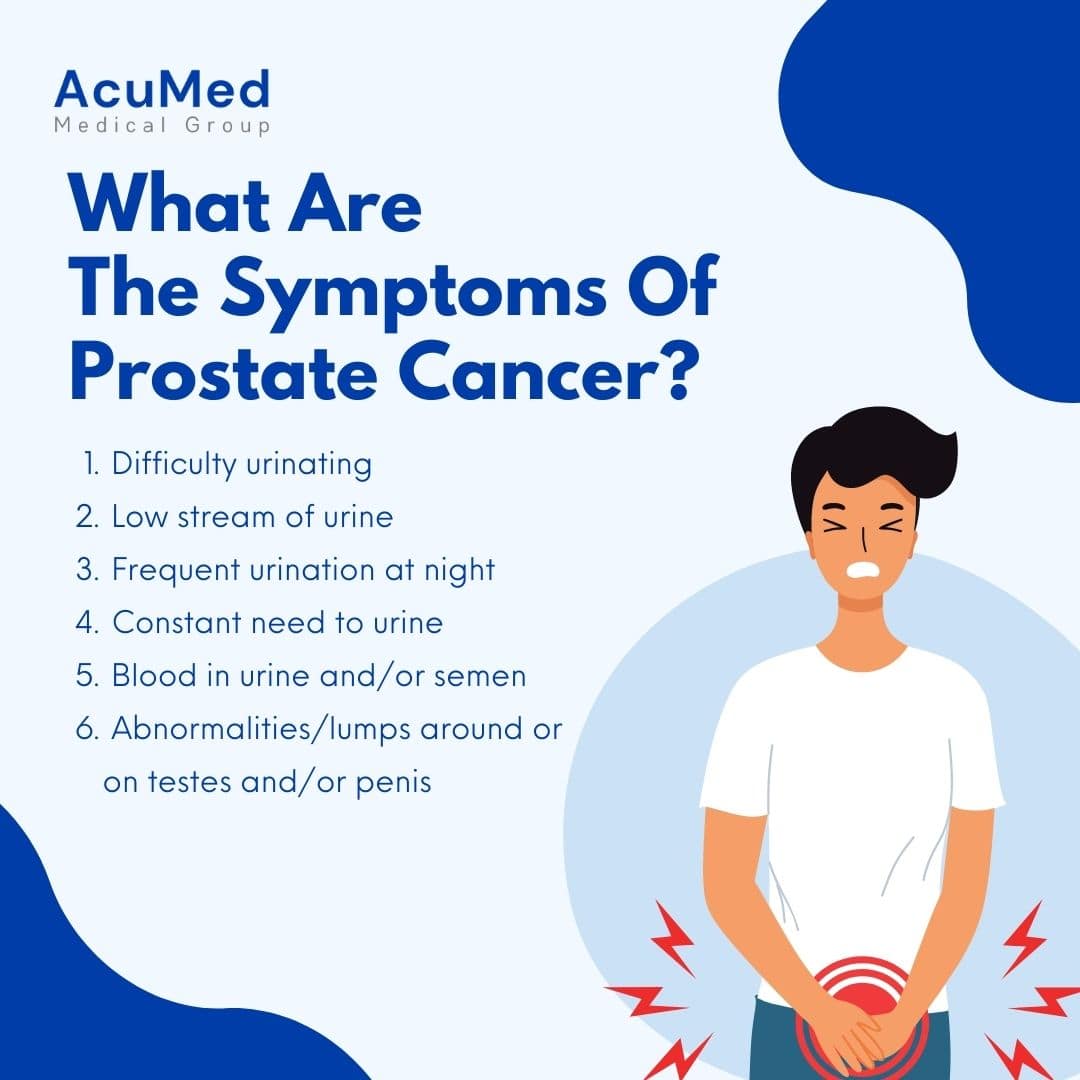
What are the Symptoms of Prostate Cancer
The Silent Intruder: Why Prostate Cancer Often Goes Unnoticed
Imagine slipping through your days, feeling the familiar rhythm of life—morning coffee, the drive to work, evenings with family—only to realize a quiet threat has been building beneath the surface. Prostate cancer strikes like that: stealthy, often symptomless in its early stages. For one in eight men, this disease will cast a shadow over a lifetime, yet most won't feel a whisper of warning until it's advanced. In men's prostate health, vigilance isn't just wise; it's a lifeline. This guide cuts through the fog, spotlighting the signs of prostate cancer so you can spot trouble early and act decisively.
Prostate cancer develops in the walnut-sized gland that sits below the bladder, producing seminal fluid. While age is the biggest risk factor—most cases hit men over 50—family history, race, and lifestyle play roles too. The key? Knowledge. Understanding symptoms empowers you to protect your health before a routine checkup turns urgent.
Early-Stage Prostate Cancer: The Invisible Phase
Here's the stark truth: most men with early prostate cancer feel nothing. The tumor grows slowly, confined to the prostate, pressing on no nerves, blocking no paths. That's why symptoms of prostate cancer rarely scream for attention at first. A man might chalk up subtle changes to aging or a cold. But silence doesn't mean safety. Regular screenings—like the PSA blood test or digital rectal exam—catch it when treatment is simplest.
Why Early Detection Matters in Men's Prostate Health
Catch prostate cancer early, and survival rates soar past 99%. Wait, and options narrow. Think of it as tending a garden: pull weeds young, and the roots never take hold. For men's prostate health, proactive talks with your doctor starting at age 50 (or 45 if high-risk) can rewrite your story.
Red Flags: Common Symptoms of Prostate Cancer
When prostate cancer spreads beyond the gland or grows large enough, symptoms emerge. These aren't unique to cancer—benign prostate enlargement (BPH) or infections mimic them—but they're signals to investigate. Listen to your body. Here's what to watch:
- Urinary Changes: Trouble starting or stopping urination, a weak or interrupted stream, dribbling. Picture straining at the urinal, flow faltering like a half-clogged drain.
- Frequent Urination: Especially at night (nocturia), pulling you from sleep multiple times. It's exhausting, disruptive—a body's cry for help.
- Blood in Urine or Semen: Hematuria or hematospermia—bright red or rusty streaks. Alarming, unmistakable.
- Pain or Burning: During urination or ejaculation, sharp stings signaling inflammation or invasion.
- Erectile Dysfunction: Difficulty achieving or maintaining erections, sometimes the first intimate hint of deeper issues.
- Pelvic or Back Pain: Deep aches in hips, thighs, or lower back as cancer spreads to bones.
These symptoms of prostate cancer often creep in gradually, blending with normal aging. But if they persist beyond a week or two, don't dismiss them. Track them in a journal: when, how severe, any patterns. Data arms your doctor.
Advanced Symptoms: When Prostate Cancer Spreads
Signs of Metastasis
If unchecked, prostate cancer journeys outward—to lymph nodes, bones, beyond. New symptoms join the fray: unexplained weight loss, fatigue that drags like lead, swollen legs from blocked lymph flow, even bowel issues if pressing nearby. Bone pain might mimic arthritis, flaring at night. Numbness or weakness in legs signals spinal involvement. These escalate urgency; imaging and biopsies confirm spread.
In men's prostate health, advanced stages demand swift action. Treatments like hormone therapy, radiation, or surgery still offer control, extending quality life years.
Risk Factors and Screening: Your Prostate Health Checklist
Not all men face equal odds. African American men, those with family history, or BRCA gene mutations carry higher risk. Obesity and poor diet tip scales too. Counter with:
- Annual PSA tests from age 50 (earlier if high-risk).
- Digital rectal exams to feel for lumps.
- Lifestyle tweaks: exercise, veggies, limit red meat.
Discuss pros and cons with your doctor—PSA isn't perfect, but it's a vital tool.
Next Steps: Don't Wait on Prostate Cancer Symptoms
Spot a symptom? Call your doctor today. Describe precisely; expect questions on duration, severity. Tests follow: PSA, ultrasound, MRI, biopsy if needed. Early prostate cancer is highly treatable—options abound from active surveillance to robotic surgery.
Your body whispers before it shouts. Heed the quiet cues of men's prostate health.
Prostate cancer doesn't define you, but ignoring signs might. Take charge: schedule that checkup, share this with buddies over beers. In the fight for longevity, awareness is your sharpest weapon. Live bold, stay vigilant.